
You took the time off. You slept in, you did less, you tried to switch off. You came back and within a week felt the same way you did before you left. If this has happened more than once, the problem is probably not that you failed to rest enough. Rest and recovery are not the same thing, and for a nervous system that has been running on high alert long enough, rest alone does not reach the layer that needs it.
Burnout is not a mindset problem
The word burnout gets used loosely, which makes it harder to take seriously when the real thing arrives. But the clinical picture of burnout is physiological, not psychological. It shows up in blood and data long before it fully surfaces in how you feel.
Cortisol dysregulation is one of the earliest markers. In a healthy system, cortisol peaks in the morning and drops through the day, following a curve that keeps energy and alertness in sync with the clock. In people who have been running on empty for months, this curve flattens or inverts. Morning cortisol is low when it should be high. Afternoon cortisol is elevated when it should be falling. The body has lost the rhythm it uses to regulate itself, and no amount of sleep will restore it from the outside.
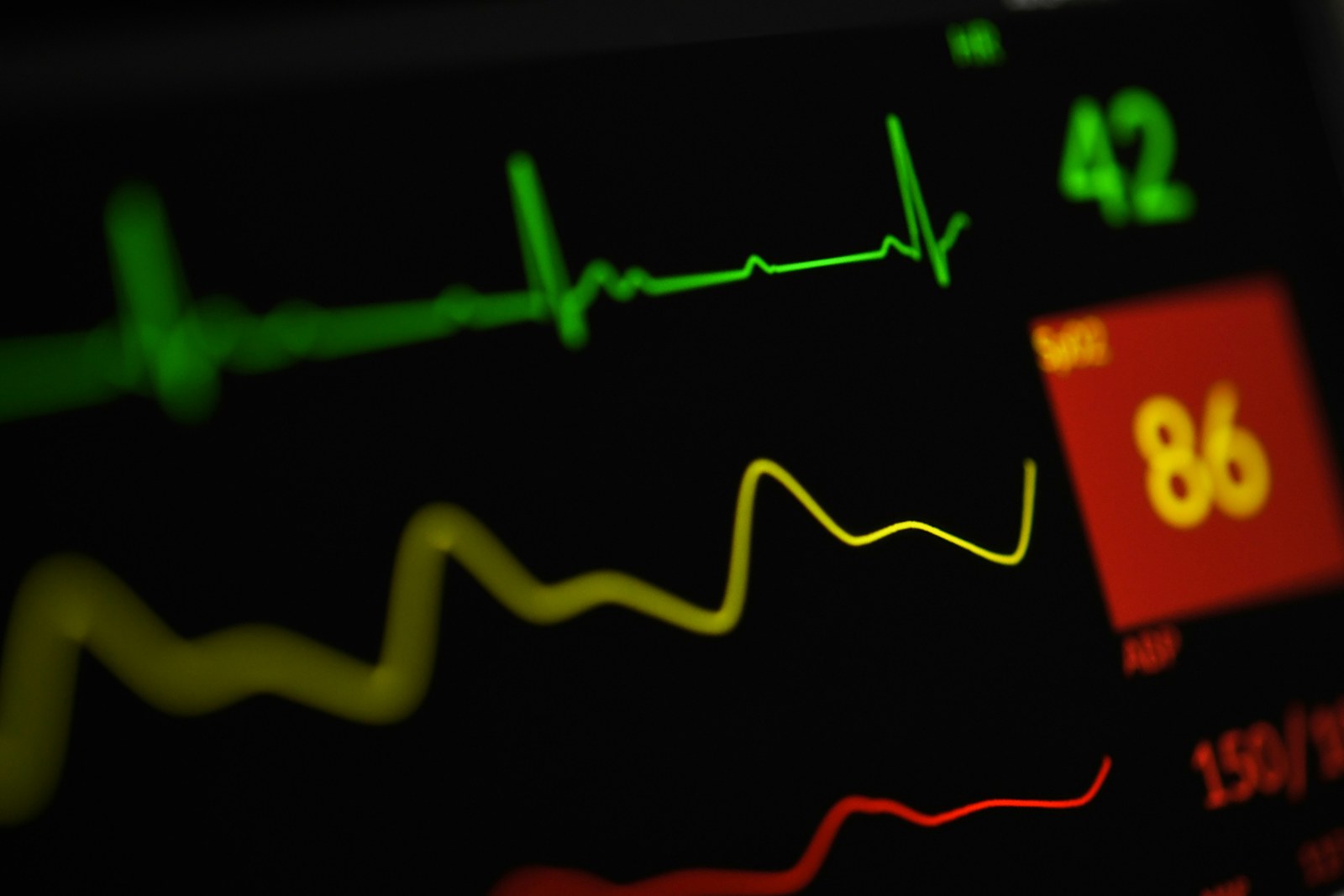
Heart rate variability, measured as the variation in time between each heartbeat, tells a similar story. High HRV indicates a nervous system that can flex between activation and rest. Low HRV indicates a system stuck in the sympathetic state, running the alert signal even when nothing is demanding it. People with chronically low HRV are not lazy or disengaged. Their nervous system is working at full capacity managing something it cannot bring back down.
What accumulates over time is what researchers call allostatic load, the total biological cost of chronic stress on the body's regulatory systems. By the time burnout is obvious, it has been building for months or years, and the gap between how depleted the body is and how much a holiday can undo is wider than most people expect.
Why a vacation does not reset this
The sympathetic nervous system activates when the body perceives demand. It speeds the heart, raises alertness, suppresses digestion, and prepares the body to respond. For short periods this is exactly what it is designed to do. The problem begins when it stays activated long after the demand has passed, which is what months of sustained work pressure produce. The nervous system stops reading the environment accurately and defaults to high alert regardless of what is actually happening.
Vacation removes the source of demand. It does not reset the system's sensitivity to it. You can lie on a beach for two weeks and your HRV will remain low if your nervous system has been running the alert signal for long enough. The body needs a different kind of input to shift out of sympathetic dominance and back toward parasympathetic function, the state in which digestion works, sleep deepens, and cellular repair runs properly. That input is not rest. It is targeted recovery, and the two are not interchangeable.
This is why the post-holiday crash is so predictable. You return having rested but not recovered, and the underlying state reasserts itself within days.
Sleep follows the same logic. More hours in bed is not the goal. The goal is sleep that repairs, and that depends on whether the body reaches its restorative phases, not on the time you spend lying down.
How burnout actually shows up
Because the early signs are physiological, they often get explained away as ordinary tiredness. The pattern is usually the opposite of what rest would predict. You wake unrefreshed after a full night. Mornings feel heavy and slow, then a second wind arrives late in the evening and keeps you awake when you want to sleep. Concentration slips, your patience runs shorter than it used to, and small things feel larger than they are.
Sleep itself starts to feel light or broken even when the hours are there. You catch whatever is going around. And the clearest tell of all is the one already described, the holiday that wears off within a week. None of this means you are failing to cope. It means the systems that regulate energy, mood, and repair have been carrying load for a long time and have lost some of their flexibility.
What targeted recovery actually addresses
Targeted recovery works with the systems burnout depletes rather than pausing the demands on them. The methods fall into three groups, each acting on the nervous system in a different way.
The vagal group works through the vagus nerve, the parasympathetic system's main signal to stand down. Breathwork and sound therapy both stimulate it, which is why a slow, extended exhale can change your state within minutes.
The hormetic group uses small, manageable doses of physical stress to prompt adaptation. Infrared sauna and cold exposure train the nervous system to activate and then return to baseline more cleanly, rebuilding the flexibility burnout flattens.
The environmental group works through your surroundings. Forest bathing lowers cortisol with no effort required, and sleep belongs here too once it is structured around the architecture of the cycle rather than hours in bed.
Knowing your own baseline is what makes the choice between them sensible rather than guesswork. Flat mornings and wired evenings point to cortisol rhythm. Slow recovery from effort, and feeling tired but unable to settle, points to low HRV and the vagal and hormetic methods. You do not need a lab to read these patterns. A couple of weeks of attention to your sleep, energy, and morning state shows which system is most depleted.
To start tonight, breathe in for four counts, hold for seven, exhale for eight, and repeat four times. This 4-7-8 pattern uses the extended exhale to stimulate the vagus nerve. It will not undo months of overdrive on its own, but it works through the same mechanism as structured breathwork, and you feel it within minutes.
What this looks like as a structured approach
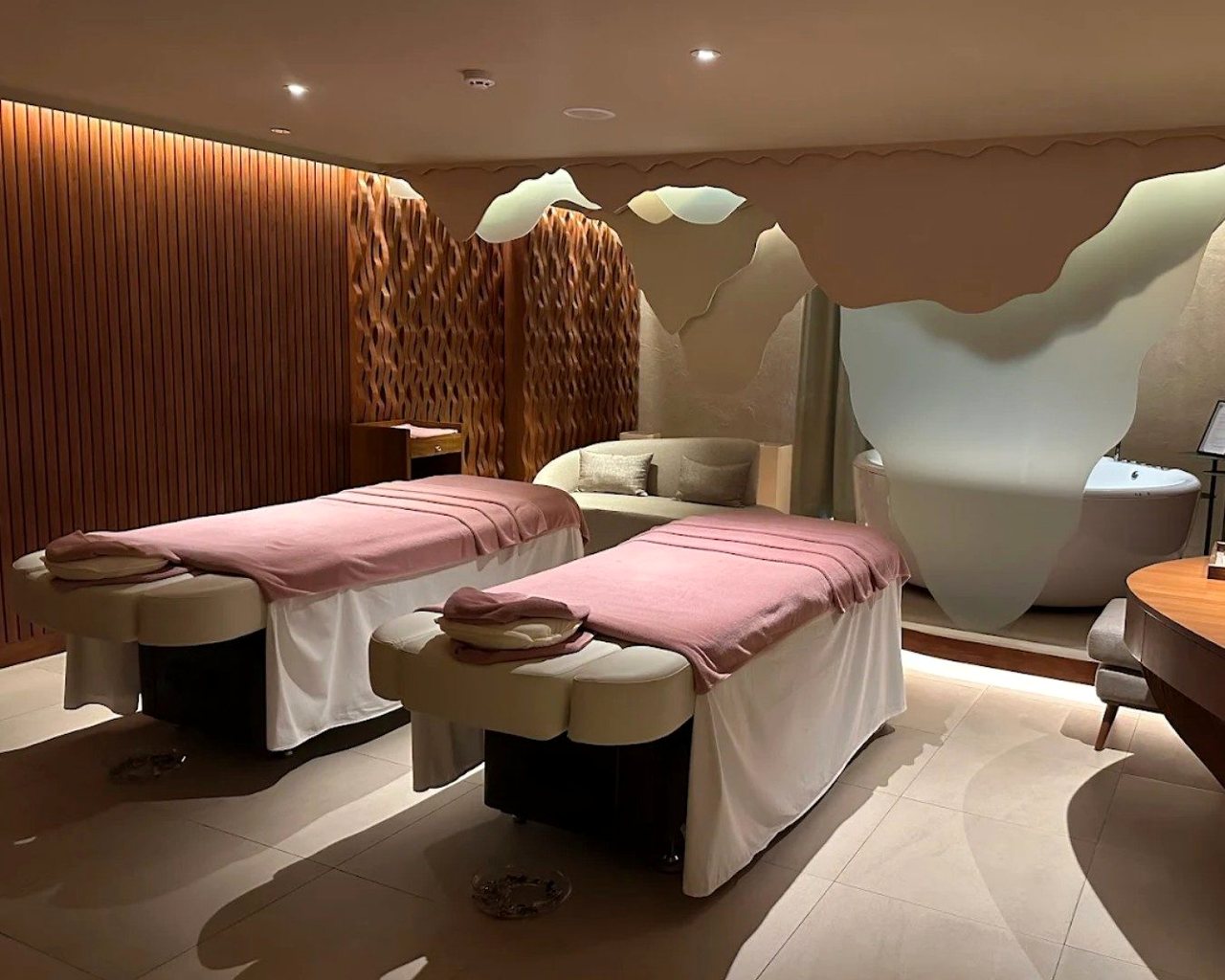
The same principles can be sequenced, which is what a structured burnout recovery retreat is built to do. A medical wellness retreat in Bangkok such as the Restore Retreat programs reads a baseline first, then layers the methods in order, breathwork and sound to raise vagal tone, infrared sauna and cold exposure to rebuild stress flexibility, then sound healing and a nervous system reset to hold the parasympathetic shift. Order matters, since the body adapts better to hormetic stress once vagal tone has begun to recover. As an urban wellness retreat rather than a remote escape, it keeps the work close to the life people return to.
A sleep-focused version like the Sleep Reset model runs the same logic through a narrower door. This relaxation and recovery retreat pairs sleep architecture education with breathwork, forest bathing, and onsen recovery, all of which lower sympathetic activity before bed so the body reaches its deep and REM stages with less interruption. That is the heart of sleep recovery wellness, working with the cycle rather than adding hours to it.
These are ways of organising the principles into a wellness recovery program, not the only path. Whether through a wellness retreat in Thailand or on your own at home, the core idea holds, which is that recovery is built with specific inputs rather than delivered by rest alone.
What shifts when the right systems are addressed
HRV improves as the nervous system learns to flex again. Cortisol rhythms move back toward their natural curve within days of the right input, and sleep deepens because the body can finally complete the repair cycle, not because you are more tired.
The result is different from the relief of time off. Most people describe it as feeling like themselves again, a sense of mind and body healing rather than a short lift from being away. Their nervous system has finally stood down.
FAQ
Isn't burnout just stress that a longer holiday will fix?
They overlap but differ. Stress eases once the demand passes. Burnout is what remains after the nervous system has stayed activated so long it no longer settles on its own. A longer holiday, or even a stress relief retreat in Thailand, removes the demand but does not retrain that system, which is why the effect fades so fast.
How is recovery different from rest?
Rest is the absence of demand. Recovery is active input that shifts the nervous system back toward its repair state. You can rest a great deal and recover very little if the underlying state never changes.
Can I do any of this on my own at home?
Yes. The 4-7-8 breathing above is a good start, and consistent sleep timing, time in nature, and gentle heat or cold exposure all work through the same mechanisms. Programs concentrate these inputs and add measurement, but the principles do not depend on the setting.
How long before I notice a difference?
Some shifts, like the calm from slow breathing, appear within minutes. Larger changes in HRV, cortisol rhythm, and sleep quality move over days to a few weeks of consistent input, depending on how depleted the system is.
Do I need testing to start?
No. Testing helps you see what is most depleted and track change, but you can begin without it. Even informal attention to your sleep, energy, and mood over a couple of weeks gives a useful starting point.

