
Thailand’s wellness reputation runs north to Chiang Mai or south to Koh Samui. Most people searching for a wellness retreat Thailand offers have already chosen one of those two directions before they consider anything else. But a shift is happening. More travellers are looking past the well-trodden names toward quieter places, somewhere the crowds have not arrived and the trip still feels like a discovery. The kind of wellness escape Thailand has not yet turned into a brand.
The east is where that search tends to land. The provinces sitting east of Bangkok have never carried a wellness reputation, which is part of why they work. They are still places you stumble into rather than places everyone tells you to visit. For anyone leaving the city behind, this is the stress relief retreat Thailand keeps quiet, an urban healing experience that starts the moment you drive out of the traffic.
Prachin Buri, Rayong, Chanthaburi, and Koh Chang run from herbal forest country to fruit coast to gemstone river town to the far eastern islands. Four destinations, four different reasons to go. Here is what each one is actually like.
Prachin Buri: herbal country and the forests of Khao Ito
Prachin Buri is the home of Thai herbal medicine. The province built its name on traditional remedies and herb gardens, and that heritage still runs through everything from the markets to the spa culture. It sits around 130 kilometres from Bangkok, close enough for a weekend, far enough that most people pass through on the way to somewhere else.
For anyone who likes the outdoors, this is forest and waterfall territory. Khao Ito is the centrepiece, a forested hill with trails reaching the summit and cave systems partway up. You can hike the full climb for the view across the plains or spend an afternoon in the caves below. Around the province there are waterfalls to chase and herb farms to wander, and the air carries that green, mineral quality you only get deep in the trees.
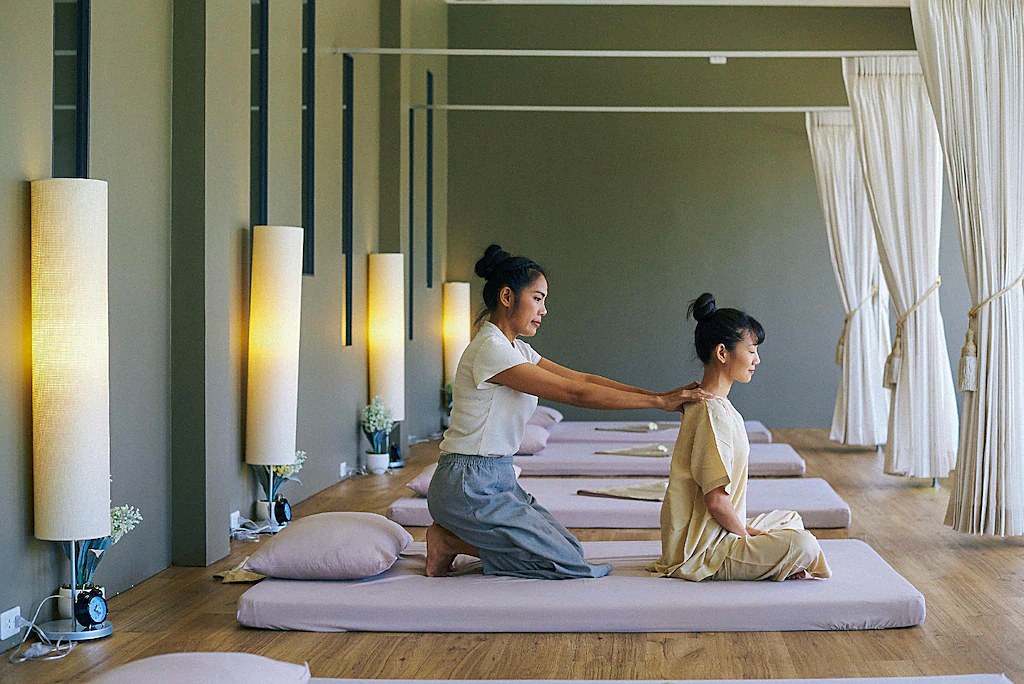
The province also has a rare onsen. After a day on the trails, hot spring bathing is where the body actually unwinds, which is unusual for this part of the country and a quiet foundation for sleep recovery wellness. The mix of forest, walking, and warm water makes Prachin Buri a natural relaxation and recovery retreat, the kind of stress relief retreat Thailand rarely points visitors toward.
Rayong: islands, white sand, and fruit in season
Rayong is the province people pick when they want a beach without the crowds, and it has one of the most loved islands on the eastern seaboard. Koh Samet sits just offshore, with white sand, clear water, and a string of quiet bays that stay calm most of the year. Day trips and overnight stays both work, and the island is small enough to circle in an afternoon.
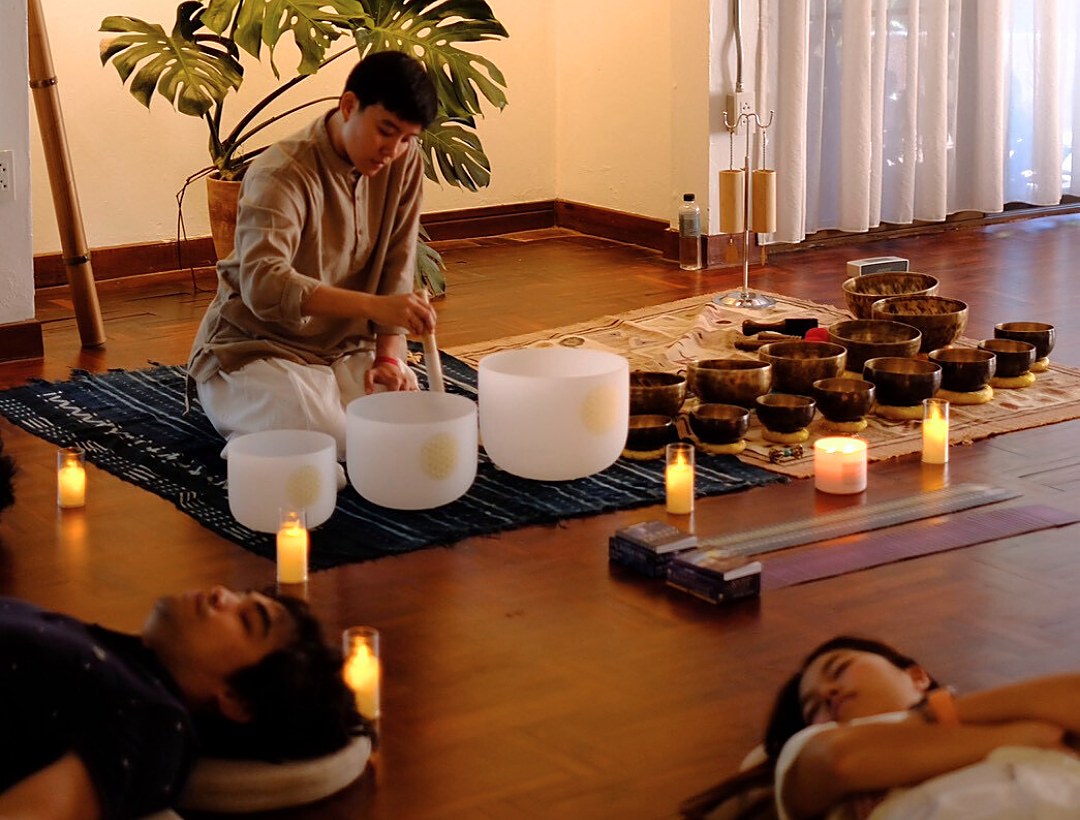
The mainland coast has its own appeal. Mae Phim Beach, in the quieter Klaeng district, is a long, calm stretch most visitors skip on their way to busier spots. Slow mornings, seafood shacks, and an empty shoreline are the whole point, which is what makes it quietly suited to a burnout recovery retreat. A few unhurried days here is mind and body healing in its simplest form.
Then there is the fruit. Rayong comes alive in the hot season, and an orchard buffet is one of the great local rituals. All-you-can-eat durian, mangosteen, and rambutan straight off the farm, eaten in the shade while the season is at its peak.
Chanthaburi: gemstones and a beautiful old town
Chanthaburi is the gem capital of Thailand. The province has traded in sapphires and rubies for generations, and the weekend gem market is still the heart of it. Dealers fold stones out of paper packets at wooden tables, buyers hold them to the light, and the whole street hums with quiet negotiation. Even if you are not buying, it is worth seeing.
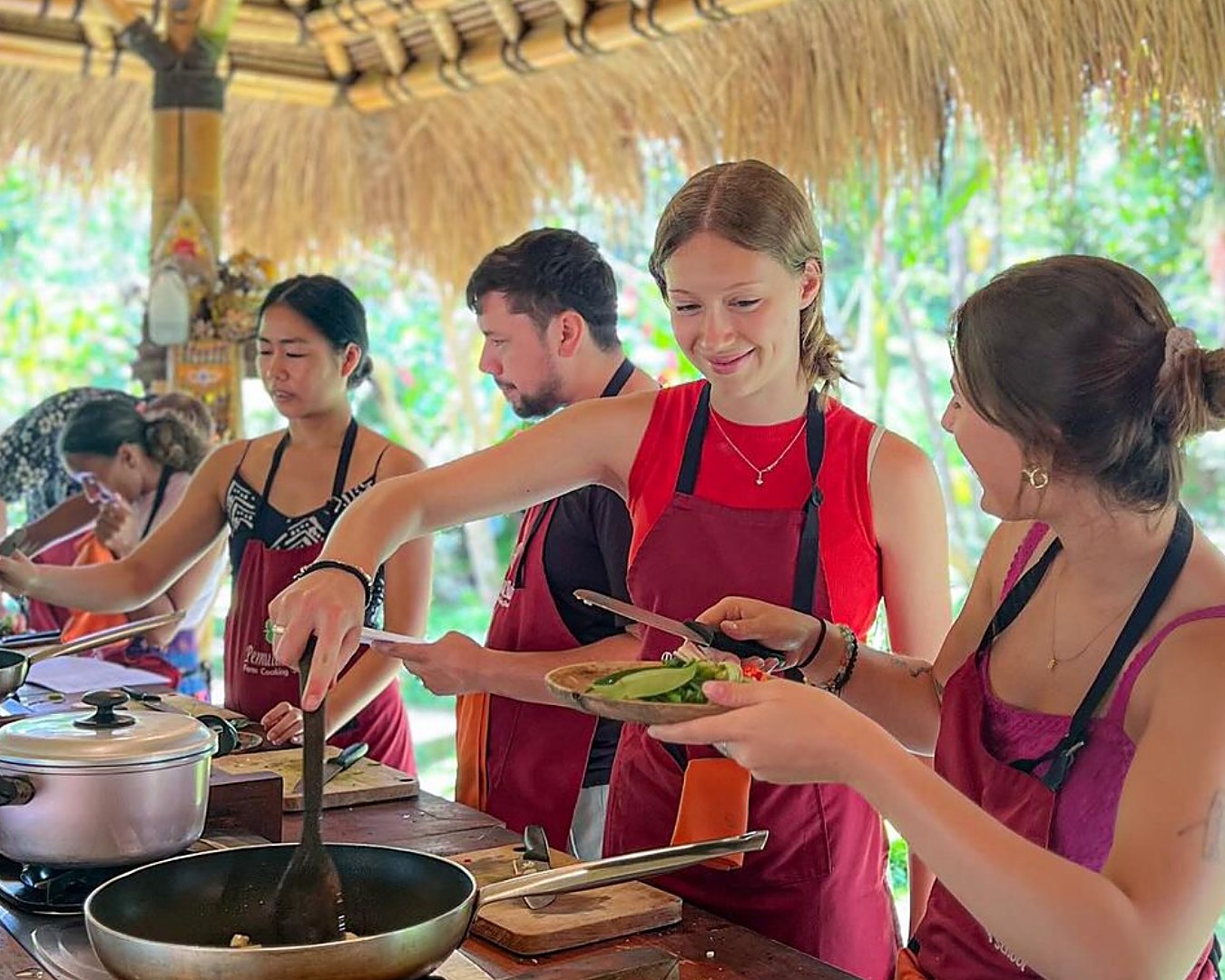
The old town is the other reason to come. A riverside quarter of century-old shophouses, Vietnamese-influenced cooking, and the largest Catholic cathedral in the country, all walkable in an easy afternoon. Chanthaburi also grows some of the finest fruit in Thailand, and the markets here read like a living guide to what whole, local, seasonal eating looks like, which is what makes the province a natural home for a gut retreat.
The pace is gentle. River walks, riverside cafes, and time that moves slowly are what the province does best, the quiet groundwork any good wellness recovery program is built on.
Koh Chang: the far eastern island the south forgot to crowd
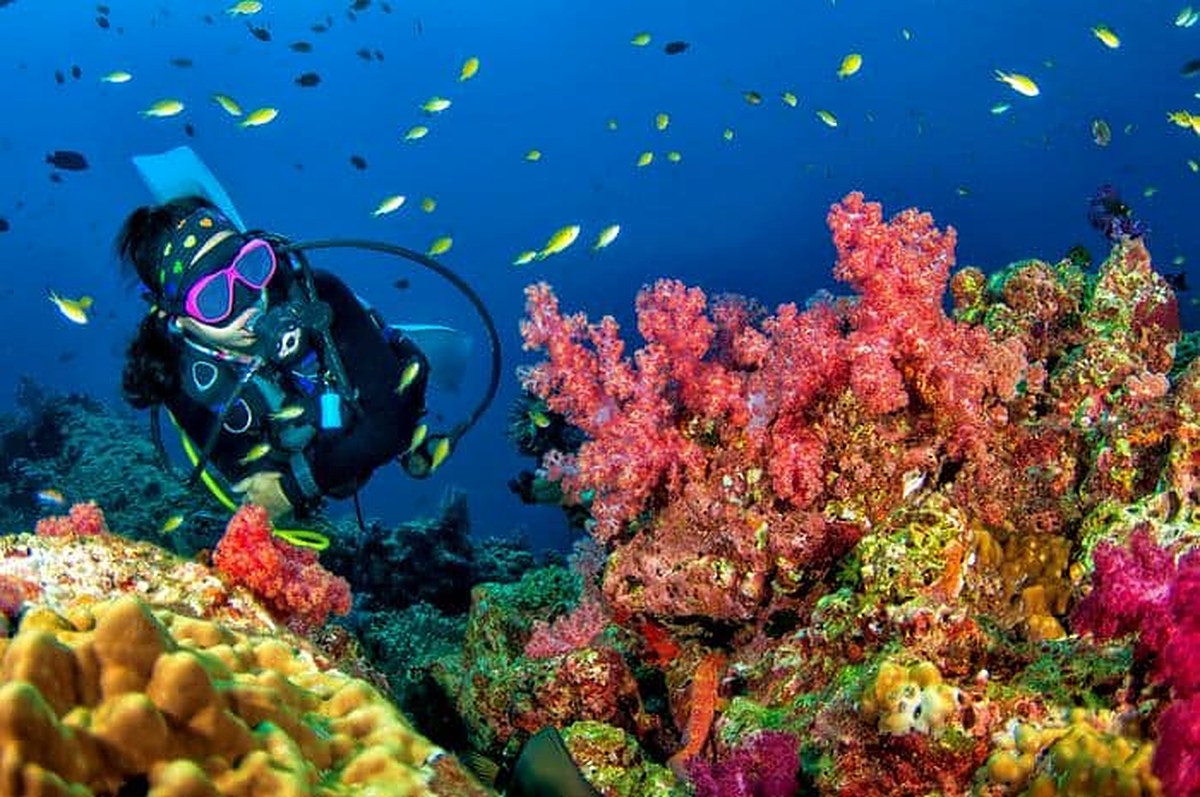
Koh Chang sits in Trat, the last province before the Cambodian border, where Thailand’s east gives way to the sea. This is island and diving country. Koh Chang itself is the largest, more than 80 percent forest, with waterfalls in the interior and reefs offshore. Beyond it lie Koh Kood and Koh Mak, quieter still, ringed with some of the clearest water in the gulf.
Snorkelling and diving are the draw, with coral around Koh Wai and Koh Rang and visibility that rewards the trip out. On land there are trails through the rainforest, mangrove channels to paddle, and waterfalls worth the hike. The islands also run at a genuinely slow pace, the kind of slow living that is hard to find closer to Bangkok.
November to April brings calm seas and dry heat. May to October is greener and quieter for those who want more solitude. For the space and stillness it offers, Koh Chang is the closest thing to a luxury wellness retreat Thailand has on its eastern coast, without the price tag of the southern islands.
Why this region makes sense for holistic wellness in Thailand
The practical case for eastern Thailand is simple. All four destinations are reachable from Bangkok without a flight, each in a different setting, and none has drawn the volume of tourism that tends to dilute what makes a place worth visiting. They are quiet without being remote, and they reward travellers who would rather find a place than follow a list.
There is also a way to come back with more than photos. If you want structure rather than a loose itinerary, Healiday runs short recovery retreats across these destinations, each built around what its location naturally offers. The forest and onsen in Prachin Buri are turned toward better sleep with a Sleep Reset. The quiet coast in Rayong is used to clear a tired, overloaded mind. The food culture in Chanthaburi becomes a few days of eating that the gut actually responds to with a Gut Reset. The islands around Koh Chang give energy and movement a setting that does half the work through an Energy Reset. This is holistic wellness Thailand built around real places rather than reputation alone. You travel, you rest, and you leave with something the body keeps. The destinations stand perfectly well on their own, but the programs turn a good trip into a real reset.
FAQ
Is this for me, or is it only for certain travellers?
It is not for everyone, and that is the point. This is for travellers who would rather find a local hidden gem than follow the crowd to Chiang Mai or Koh Samui. All four destinations sit within a few hours of Bangkok with no flight needed, so a short reset is fast and easy to reach. If you want structure, Healiday runs short guided retreats in each location, sleep recovery in Prachin Buri, a mental reset on the quiet Rayong coast, gut health in Chanthaburi, and an active energy program around Koh Chang, each built around what the place naturally offers and ending with a plan to take home. If you would rather travel on your own, the destinations stand perfectly well without the program.
Why is Khao Ito ideal for recovery?
The forest is dense and quiet, the trails give gentle physical effort, and the rare onsen nearby lets the body unwind in the evening. Together they push the nervous system toward rest, which is what makes the area suited to sleep recovery rather than just a day out.
Why is Mae Phim quieter than other beaches?
It sits in the Klaeng district, away from the busier eastern seaboard spots, so it never drew the same crowds. The beach stays long, calm, and largely empty, which is exactly the low-stakes setting a tired mind needs to switch off.
Why does Chanthaburi’s food culture support gut health?
The province is built around fresh fruit, seasonal produce, and a deep cooking tradition. Eating this way, whole and local and varied, is what the gut responds best to, which makes Chanthaburi a natural place to reset how you eat.
Why does Koh Chang’s geography suit active wellness?
The island is mostly forest and coastline, with trails, reefs, and open water all close by. The geography becomes the training ground, so movement feels like exploring rather than working out.

